Government Polytechnic Rajpur Sadhaura

Approved by AICTE, New Delhi and Affiliated to HSBTE, Panchkula (Haryana)

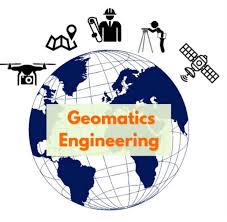
Geo-Informatices Engg.

Diploma in Geoinformatics Engineering is a technical program that combines geography, surveying, mapping, remote sensing, and information technology to collect, analyze, and manage spatial or geographic data.

It is an interdisciplinary field used in:

  • Mapping and land surveying
  • Urban planning
  • Environmental monitoring
  • Disaster management
  • GPS and navigation systems
  • Smart cities and infrastructure projects

What You Study

Core subjects usually include:

  • Fundamentals of surveying
  • Geographic Information Systems (GIS)
  • Remote sensing technology
  • GPS and satellite navigation
  • Cartography and map making
  • Geospatial database management
  • Photogrammetry
  • Digital image processing
  • Computer applications in mapping

Students also gain practical training using:

  • GPS equipment
  • Drones and surveying tools
  • GIS software platforms
  • Satellite imagery analysis

Common software/tools include:

  • ArcGIS
  • QGIS
  • AutoCAD

You can explore:

Course Duration

  • Typically 3 years after 10th standard
  • Lateral entry options may be available after ITI or 12th

Eligibility

Usually requires:

  • Passing 10th standard from a recognized board
  • Basic mathematics and science background

Important Skills

Useful skills for this field include:

  • Analytical thinking
  • Interest in maps and geography
  • Computer proficiency
  • Attention to detail
  • Data interpretation skills

Career Opportunities

Graduates can work as:

  • GIS technician
  • Survey assistant
  • Mapping technician
  • Remote sensing analyst
  • CAD operator
  • Geospatial data technician
  • GPS survey technician

Employment sectors include:

  • Government surveying departments
  • Smart city projects
  • Construction and infrastructure firms
  • Environmental agencies
  • Mining and agriculture industries
  • Telecom and transportation sectors

Organizations using geoinformatics technologies include:

  • Indian Space Research Organisation
  • Survey of India
  • Esri

Official sites:

Higher Study Options

After the diploma, students may pursue:

  • B.Tech/B.E. in Geoinformatics, Civil Engineering, or Geomatics
  • Specialized GIS or remote sensing certifications
  • Drone surveying and spatial data analytics courses

Advantages of This Diploma

  • Growing demand in smart infrastructure projects
  • Strong use of modern technologies like drones and satellites
  • Opportunities in both government and private sectors
  • Useful in environmental and urban development work
  • Increasing role in disaster management and planning

Challenges

  • Requires fieldwork in some jobs
  • Rapid software and technology updates
  • Some advanced roles require higher education
  • Accuracy and precision are critical

Scope in India

Geoinformatics is growing rapidly in India because of:

  • Smart city development
  • Digital land record modernization
  • Highway and metro projects
  • Satellite and drone applications
  • Environmental monitoring initiatives

Demand is increasing for skilled GIS and geospatial professionals in both public and private sectors.
Automotive Engineering

Diploma in Automotive Engineering is a technical program focused on the design, manufacturing, maintenance, testing, and servicing of automobiles such as cars, trucks, motorcycles, and electric vehicles.

What You Study

Typical subjects include:

  • Automobile engines and transmission systems
  • Vehicle dynamics and chassis systems
  • Electrical and electronic systems in vehicles
  • Hybrid and electric vehicle technology
  • CAD/CAM and automotive design
  • Manufacturing processes
  • Automobile maintenance and diagnostics
  • Workshop technology and practical lab training

Many institutes also include training on modern technologies like:

  • EV systems
  • Autonomous driving basics
  • Automotive sensors and embedded systems

Course Duration

  • Usually 3 years after 10th grade
  • Sometimes 2 years through lateral entry after ITI or 12th (PCM)

Eligibility

Common eligibility requirements:

  • Passed 10th standard from a recognized board
  • Minimum marks requirement varies by institute/state

Skills Needed

Helpful skills for success:

  • Mechanical aptitude
  • Problem-solving ability
  • Interest in automobiles and machines
  • Basic mathematics and physics
  • Hands-on technical skills

Career Opportunities

After completing the diploma, students can work as:

  • Automobile technician
  • Service engineer
  • Quality control inspector
  • Vehicle maintenance supervisor
  • Production supervisor
  • CAD technician
  • EV maintenance technician

Industries hiring diploma holders include:

  • Automobile manufacturers
  • Service centers
  • EV startups
  • Spare parts manufacturing companies
  • Transport corporations

Examples of major automotive companies include:

  • Tata Motors
  • Mahindra & Mahindra
  • Maruti Suzuki
  • Hyundai Motor Company
  • Toyota

You can also explore official company career pages:

Higher Study Options

After the diploma, students may:

  • Join B.Tech/B.E. in Automobile or Mechanical Engineering through lateral entry
  • Specialize in EV technology, robotics, or manufacturing
  • Take certification courses in CAD, diagnostics, or automotive electronics

Advantages of This Diploma

  • Early entry into technical careers
  • Strong practical and workshop exposure
  • Good opportunities in the growing EV sector
  • Lower cost compared to full engineering degrees
  • Possibility of entrepreneurship (garage/service center)

Challenges

  • Requires practical technical work
  • Technology changes rapidly
  • Some roles may involve field or workshop environments
  • Higher salaries often require experience or further study

Scope in India

The automotive sector in India is expanding with growth in:

  • Electric vehicles
  • Smart manufacturing
  • Automotive electronics
  • Logistics and mobility services

Government initiatives supporting EV adoption are also increasing demand for trained automotive technicians and engineers.

Mechanical Engineering

Introduction to Diploma in Mechanical Engineering

Diploma in Mechanical Engineering is a technical program that deals with the design, manufacturing, operation, maintenance, and testing of machines and mechanical systems. It provides knowledge of engineering mechanics, thermodynamics, machine design, production technology, automobile engineering, and industrial maintenance. The course focuses on both theoretical concepts and practical skills, preparing students for careers in various industrial sectors.

Benefits of Diploma in Mechanical Engineering

  1. Wide Career Opportunities
    Mechanical engineers can work in manufacturing, automobile, power plants, aerospace, construction, and maintenance industries.
  2. Strong Practical Skills
    The diploma emphasizes hands-on training in machine operation, fabrication, welding, CNC machining, and industrial maintenance.
  3. Industry-Relevant Knowledge
    Students gain expertise in production processes, quality control, machine design, and industrial safety.
  4. Career Growth and Higher Studies
    Diploma holders can pursue advanced studies or grow into supervisory and managerial roles through experience.
  5. Entrepreneurship Opportunities
    Mechanical engineers can establish workshops, manufacturing units, repair centers, or engineering service businesses.
  6. Versatility Across Industries
    Mechanical engineering skills are applicable in almost every industrial sector, making it a highly flexible career choice.

Demand in Industry

  1. Manufacturing Sector Demand
    Industries require mechanical engineers for production, maintenance, quality assurance, and machine operation.
  2. Automobile Industry Opportunities
    Mechanical engineers are needed for vehicle manufacturing, servicing, testing, and maintenance.
  3. Power and Energy Sector
    Thermal power plants, renewable energy projects, and industrial utilities depend on mechanical engineering expertise.
  4. Industrial Automation and Robotics
    Modern industries require mechanical engineers to support automated systems, robotics, and advanced manufacturing technologies.
  5. Maintenance and Plant Operations
    Factories and processing plants need skilled mechanical engineers to ensure efficient operation of machinery and equipment.
  6. Infrastructure and Construction Projects
    Mechanical engineers contribute to HVAC systems, heavy equipment operation, and construction machinery management.

Civil Engineering

Introduction to Diploma in Civil Engineering

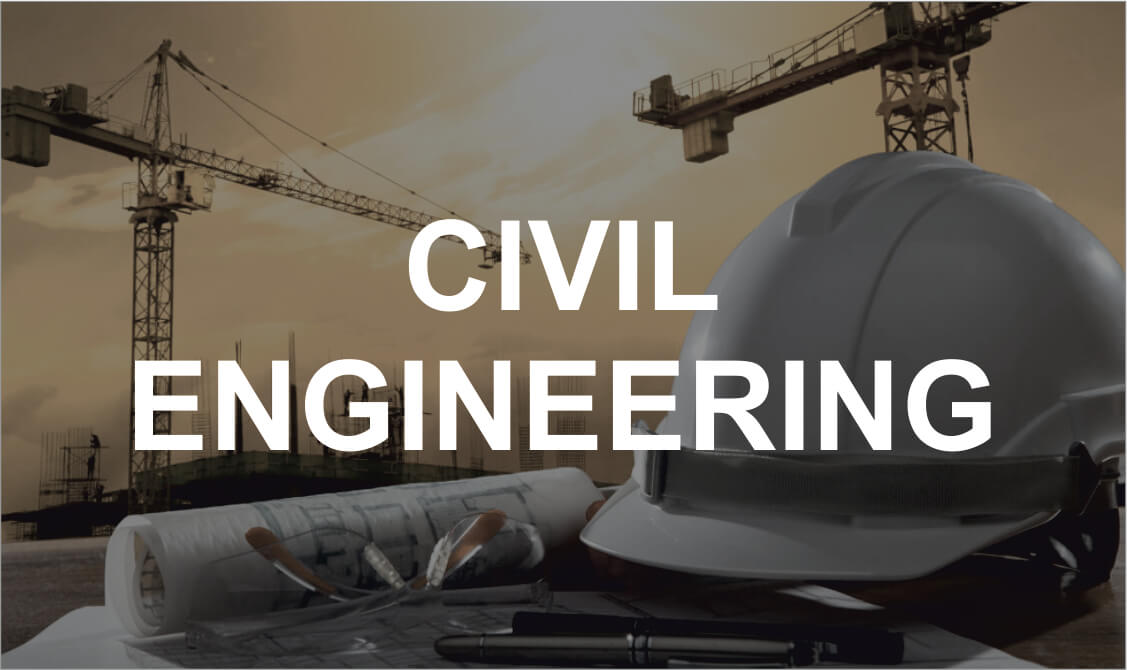
Diploma in Civil Engineering is a technical program that focuses on the planning, design, construction, and maintenance of infrastructure projects such as buildings, roads, bridges, dams, airports, and water supply systems. The course provides practical and theoretical knowledge of surveying, construction materials, structural engineering, environmental engineering, and project management. It prepares students to work as skilled technicians and supervisors in the construction and infrastructure sectors.

Benefits of Diploma in Civil Engineering

  1. Early Employment Opportunities
    Students can start their careers soon after completing the diploma and gain practical industry experience.
  2. Strong Technical Knowledge
    The course develops skills in construction technology, surveying, drafting, estimation, and quality control.
  3. Career Growth Opportunities
    Diploma holders can pursue higher studies or advance to supervisory and managerial positions with experience.
  4. Practical Learning
    The program emphasizes fieldwork, laboratory practice, and industrial training, making students industry-ready.
  5. Entrepreneurship Opportunities
    Civil engineering diploma holders can work as contractors, surveyors, or construction consultants after gaining experience.
  6. Contribution to Society
    Civil engineers help build essential infrastructure that improves transportation, housing, sanitation, and public services.

Demand in Industry

  1. Growing Infrastructure Development
    Rapid urbanization and government infrastructure projects have increased the demand for civil engineering professionals.
  2. Construction Industry Requirement
    Construction companies require diploma civil engineers for site supervision, planning, estimation, and project execution.
  3. Government Sector Opportunities
    Civil engineers are needed in public works departments, municipal corporations, railways, highways, and water resource projects.
  4. Real Estate Sector Demand
    Residential, commercial, and industrial construction projects create continuous employment opportunities.
  5. Maintenance and Rehabilitation Projects
    Existing infrastructure requires regular inspection, repair, and maintenance, increasing the demand for skilled civil engineers.

Computer Engineering

Introduction to Computer Engineering

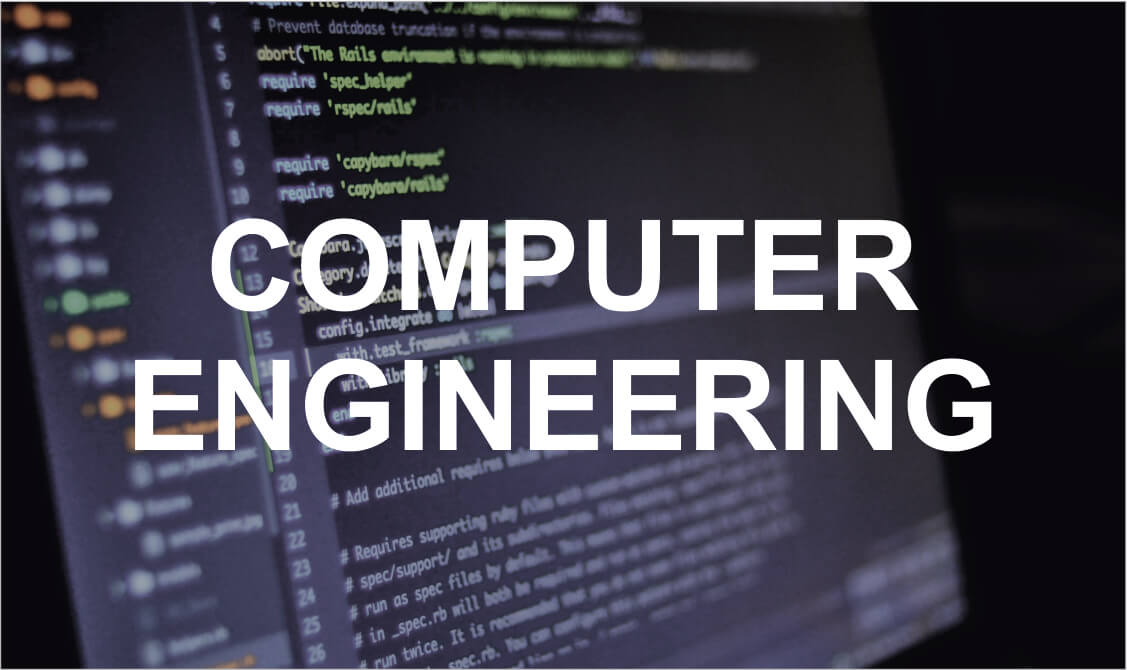
Computer Engineering is a branch of engineering that combines principles of computer science and electronics to design, develop, and maintain computer systems, software, and hardware. It focuses on programming, networking, databases, operating systems, cybersecurity, and computer hardware. Computer engineers play a vital role in developing modern digital technologies used in businesses, industries, education, healthcare, and communication.

Importance of Computer Engineering in Industry

  1. Supports Digital Transformation
    Computer engineering helps industries adopt digital technologies, improving efficiency and productivity.
  2. Enables Automation
    Computer systems and software automate industrial processes, reducing manual work and increasing accuracy.
  3. Manages Data and Information
    Industries use computer systems to store, process, and analyze large amounts of data for better decision-making.
  4. Enhances Communication and Networking
    Computer networks enable smooth communication and information sharing within organizations.
  5. Strengthens Cybersecurity
    Computer engineers develop security systems to protect industrial data and networks from cyber threats.
  6. Supports Emerging Technologies
    Technologies such as Artificial Intelligence (AI), Cloud Computing, Internet of Things (IoT), and Data Analytics rely heavily on computer engineering.

Benefits of Computer Engineering

  1. Excellent Career Opportunities
    Graduates can work as software developers, network engineers, system administrators, database administrators, cybersecurity specialists, and IT support engineers.
  2. High Demand Across Industries
    Almost every industry requires computer professionals to manage digital systems and technology infrastructure.
  3. Opportunities for Innovation
    Computer engineers contribute to the development of new software applications, websites, mobile apps, and smart technologies.
  4. Global Employment Opportunities
    Computer engineering skills are in demand worldwide, providing opportunities for international careers.
  5. Good Salary and Career Growth
    The IT and software sectors offer attractive salaries and continuous career advancement opportunities.
  6. Foundation for Higher Studies
    Computer engineering provides a strong base for advanced studies in AI, Machine Learning, Data Science, Cybersecurity, and Software Engineering.

Electrical Engineering

Importance of Electrical Engineering Branch and Its Benefits in Industry

Importance of Electrical Engineering

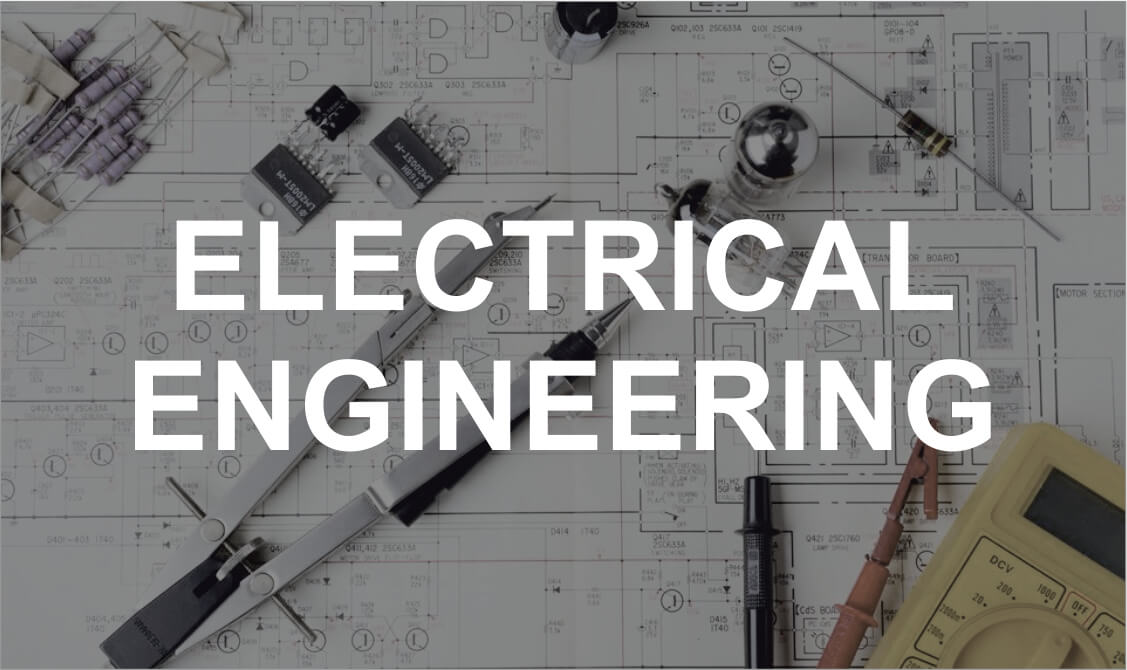
Electrical Engineering is a core branch of engineering that deals with the generation, transmission, distribution, and utilization of electrical power. It is essential for the operation of industries, commercial buildings, transportation systems, and modern infrastructure. Electrical engineers ensure the safe and efficient functioning of electrical equipment and power systems.

Benefits of Electrical Engineering in Industry

  1. Ensures Continuous Power Supply
    Electrical engineers maintain and manage power systems to ensure uninterrupted industrial operations.
  2. Supports Industrial Automation
    Electrical systems are the foundation of automated machinery, control panels, PLCs, and robotic systems used in modern industries.
  3. Improves Productivity
    Proper design and maintenance of electrical equipment help industries achieve higher efficiency and productivity.
  4. Reduces Downtime and Maintenance Costs
    Electrical engineers identify faults, perform preventive maintenance, and minimize equipment failures, reducing production losses.
  5. Enhances Safety
    They ensure that electrical installations comply with safety standards, protecting workers and equipment from electrical hazards.
  6. Promotes Energy Efficiency
    Electrical engineers help industries optimize energy consumption, reducing electricity costs and improving sustainability.
  7. Supports Renewable Energy Integration
    Industries increasingly use solar and wind energy systems, creating opportunities for electrical engineers in green energy projects.
  8. Provides Diverse Career Opportunities
    Electrical engineers can work in power plants, manufacturing industries, automation companies, construction projects, railways, and energy sectors.

Electronics & Communication Engg.

Importance and Benefits of Electronics and Communication Engineering (ECE)

Importance of ECE Branch

Electronics and Communication Engineering (ECE) is a vital branch of engineering that focuses on electronic devices, communication systems, and modern technologies. It plays an essential role in the development of mobile communication, internet services, satellite systems, automation, and smart electronic devices. ECE is the backbone of today’s digital world, enabling fast and reliable communication across the globe.

Benefits of ECE Branch

  1. Wide Career Opportunities
    ECE graduates can work in telecommunications, electronics manufacturing, IT companies, automation industries, defense, and research organizations.
  2. High Demand in Industry
    Skilled ECE professionals are required for designing, testing, installing, and maintaining electronic and communication systems.
  3. Exposure to Advanced Technologies
    Students gain knowledge of emerging fields such as IoT, robotics, embedded systems, artificial intelligence, and wireless communication.
  4. Opportunities in Government and Private Sectors
    ECE diploma holders can find employment in both government departments and private industries.
  5. Strong Foundation for Higher Studies
    The branch provides a solid technical base for pursuing advanced engineering degrees and specialized courses.
  6. Contribution to Society
    ECE helps improve communication, healthcare, transportation, education, and industrial automation, enhancing the quality of life.